7 Best Blacksmithing Books for Beginners
The Skills of a Blacksmith: Vol. 1 is the top pick for most buyers because it gives readers a practical, well-organized foundation in forge work. Among the best blacksmithing books, it is a strong starting point for learning tools, techniques, and basic projects without jumping straight into advanced work.
This guide is for new smiths, hobbyists, and experienced craftspeople who want a dependable reference on the shelf. The most important factors are technique coverage, project clarity, illustration quality, and the book’s skill level. A useful manual should explain each process in a logical order and show enough detail to support practice at the anvil. The seven picks below are ranked with clear reasons and honest drawbacks for each, so you can choose a title that fits your goals, experience, and workshop setup.
Quick Comparison
| # | Product | Best For | Price | |
|---|---|---|---|---|
| 1 | The Skills of a Blacksmith: Vol. 1 | Traditional Technique Learners | ~$67 | View → |
| 2 | Blacksmithing Made Easy for Beginners Guide | First-Time Forge Users | ~$21 | View → |
| 3 | The Everyday Blacksmith: Blacksmithing Project Book | Hands-On Project Builders | ~$19 | View → |
| 4 | DIY Blacksmithing Book | DIY Workshop Hobbyists | ~$43 | View → |
| 5 | The Complete Modern Blacksmith Book | Modern Tool Enthusiasts | ~$15 | View → |
| 6 | Backpack Blacksmith Portable Blacksmithing Guide | Portable Forge Travelers | ~$14 | View → |
| 7 | Blacksmithing: 20 Projects for Beginners | Beginner Project Planners | ~$9 | View → |
7 Top Blacksmithing Book Picks
These blacksmithing book picks are ranked by practical value, clarity, and workshop usefulness, counting down to the top choice.
7. Blacksmithing: 20 Projects for Beginners

Best for: First-time blacksmithing project planning
Blacksmithing: 20 Best Projects For Beginners is a project-focused guide for people starting with forge work. As the title states, it centers on 20 beginner-level builds rather than broad theory alone. That gives readers a clear starting point, especially if they want practical items to make instead of an open-ended introduction to the craft.
The main appeal is the defined project count. Twenty examples can provide a useful path from simple practice pieces toward more involved work, though the listing does not identify the projects, required tools, metal types, or page count. Those missing details make it harder to judge how complete each guide may be. At around $9, the book costs less than many specialized craft manuals, but buyers should treat it as an affordable planning resource rather than a confirmed substitute for shop instruction. Safety guidance also cannot be assessed from the available product information.
Pros
- Includes 20 project ideas, giving beginners a structured list of builds.
- Focuses specifically on beginner blacksmithing, which may reduce choice overload.
- Costs around $9, making it a low-cost entry point for project inspiration.
Cons
- The listing does not reveal project names, tool requirements, materials, or instructions.
- Experienced smiths may find beginner-level projects too basic for their skill level.
6. Backpack Blacksmith Portable Blacksmithing Guide

Best for: aspiring mobile blacksmiths on a budget
Backpack Blacksmith is presented as a guide to portable blacksmithing for people with limited space or changing work locations. Its intended readers include urban scavengers, weekend makers, and nomads. The title points toward a compact approach rather than a permanent workshop setup. However, the listing provides no verified details about page count, format, tools, materials, or project count.
The narrow focus is the product’s main point of interest. Few blacksmithing resources target city living, reclaimed materials, and portable work in the same package. That theme may appeal to readers who want practical ideas without committing to a full forge. At around $14, it also sits in the low-cost range for a niche reference. Still, buyers should treat the purchase as an introductory resource until the publisher provides more information. The listing does not confirm the depth of its instructions, safety coverage, or suitability for complete beginners.
Pros
- Portable blacksmithing focus suits readers with limited workshop space.
- Urban scavenger angle may help people interested in reclaimed materials.
- Weekend warrior and nomad framing fits occasional, mobile projects.
Cons
- No page count, format, tool list, or project count is provided.
- Its portable focus may be too narrow for readers planning a full stationary forge.
5. The Complete Modern Blacksmith Book

Best for: Readers exploring blacksmithing basics
The Complete Modern Blacksmith is a blacksmithing book for readers who want a focused introduction to the craft. Its title points to practical metalworking, but the available listing does not provide enough detail about the edition, format, page count, illustrations, or included projects. Those missing specifications make it difficult to judge how much material the book contains.
At around $15, it may appeal to someone building a small reference collection or researching blacksmithing before buying tools. The main thing that stands out is its clear subject focus. This is not a general woodworking or metalworking guide. It centers on blacksmithing, which can help shoppers narrow their search. Still, buyers should confirm the publisher, edition, and condition before ordering. Different versions may contain different layouts or content, and the listing does not identify those details.
Pros
- Focuses specifically on blacksmithing rather than broad DIY topics.
- The low price, around $15, suits readers testing their interest.
- The book format offers a portable reference for planning projects.
Cons
- The listing does not state the page count, edition, format, or condition.
- It may not provide enough detail for buyers seeking advanced project plans or tool guidance.
4. DIY Blacksmithing Book

Best for: First-time home blacksmithing learners
The DIY Blacksmithing Book is a guide aimed at people who want to learn blacksmithing without starting with a formal class. Its title points to hands-on metalwork, but the available listing does not provide a page count, format, project list, tool guide, or material details. That missing information makes it hard to judge how deep the instruction goes.
The strongest point is its focused subject. Buyers looking for blacksmithing material will not need to sort through a broad welding or general metalworking book. At around $43, it also sits in a price range where shoppers should expect useful instruction and clear project support. Still, that value depends on what the book includes. Without details about diagrams, safety coverage, or step-by-step lessons, the purchase remains difficult to assess before ordering.
Pros
- Focuses specifically on DIY blacksmithing, which keeps the subject narrower than a general metalworking guide.
- May suit self-directed learners who want a single resource instead of starting with a class.
- Around $43, it offers a potentially lower-cost starting point than paid in-person instruction.
Cons
- The listing gives no page count, format, project details, or information about included illustrations.
- Buyers cannot confirm coverage of safety, forge setup, tools, or beginner-level instructions before purchase.
3. The Everyday Blacksmith: Blacksmithing Project Book

Best for: Home forge learners seeking useful projects
The Everyday Blacksmith is a project book for people who want to make practical items at the forge. It covers 55 projects, so readers can choose from a broad set of objects instead of following one long, fixed course. The ideas focus on things with daily use, which may help new smiths connect basic techniques to finished pieces.
The book’s strongest feature is its built-in variety. Many projects include different style and finish options, letting you change the look without starting from scratch. That makes the book useful for practice and repeat work, since one design can lead to several versions. Around $19, it costs less than many specialty craft books, though the total project cost will depend on your steel, fuel, tools, and shop setup. The book offers project guidance, not a complete forge or materials kit.
Pros
- Includes 55 projects, giving readers plenty of ideas for regular forge practice.
- Offers multiple style variations, so one project can produce different looks.
- Includes finish variations that help build surface-treatment skills.
Cons
- The book does not provide the forge, tools, metal, fuel, or safety equipment needed to complete the projects.
- A large project count may feel less focused for readers who want a step-by-step beginner course.
2. Blacksmithing Made Easy for Beginners Guide

Best for: First-time blacksmithing readers
Blacksmithing Made Easy for Beginners is an instructional book aimed at people starting from zero. Its title promises a step-by-step introduction, with lessons intended to build basic knowledge before moving toward more advanced work. That format may help readers who want a clear path instead of scattered advice from multiple sources. At around $21, it costs less than many physical blacksmithing tools, making it a relatively low-cost starting point for learning the craft.
The main strength is its narrow focus. It is written specifically for beginners and centers on learning blacksmithing as a practical skill. The available listing does not provide a page count, materials list, photographs, diagrams, project count, or tool requirements. As a result, shoppers cannot confirm how detailed the instruction is or how much hands-on guidance the book includes. It may work well as an introductory reference, but readers should not assume it covers forge safety, metal types, hammer techniques, or complete projects unless the edition confirms those topics. The approximate price can also change over time.
Pros
- Beginner-focused language may make the craft less intimidating.
- Step-by-step organization gives new readers a logical learning path.
- Around $21 makes it a lower-cost option than buying equipment first.
Cons
- The listing provides no page count, illustrations, project count, or tool details.
- It may not provide enough depth for readers beyond the fundamentals.
1. The Skills of a Blacksmith: Vol. 1
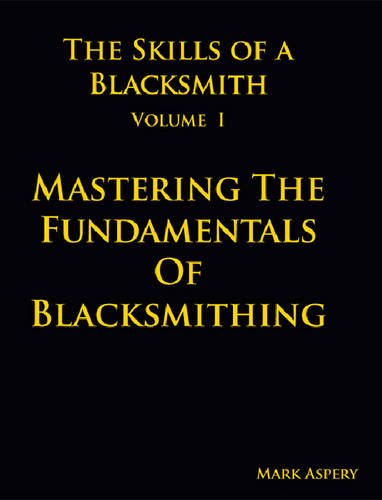
Best for: New blacksmiths building core skills
This first volume is a structured guide for learning blacksmithing from the ground up. It starts with the basic principles, then moves toward more demanding projects in a clear sequence. That format suits readers who want a learning path instead of a loose collection of tips. At around $67, it costs more than many casual craft books, so buyers should expect a focused reference for serious study.
The strongest feature is its progression. Each stage builds on earlier skills, which can make a difficult craft feel more manageable. New smiths can work through fundamental techniques before taking on projects that require better control, timing, and tool use. The book’s single-volume format also makes it easier to keep lessons together, though this is only volume one of a larger series. It should appeal to home workshop learners, apprentices, and readers who prefer written instruction they can revisit between sessions.
Pros
- Moves from basic blacksmithing principles to complex projects in steps.
- Gives beginners a structured learning sequence instead of disconnected advice.
- Works as a reference book for reviewing earlier techniques.
Cons
- Around $67, it is a significant purchase for a hobby book.
- Volume one may not cover every advanced topic or project a working smith needs.
Buying Guide
The most important factor is the book’s match for your skill level and projects. A beginner guide should explain fire control, hammer technique, and simple tools before expecting accurate knife or gate work.
- Skill level: Choose an introductory title with at least 8 to 12 beginner projects, or an advanced reference if you already forge independently.
- Project range: Look for books covering three or more areas, such as hooks, knives, tools, and decorative hardware. A narrow title may suit a focused goal.
- Safety coverage: Prioritize books with a dedicated safety section of at least 10 pages. It should address hot metal, eye protection, ventilation, burns, and fire control.
- Visual instruction: Choose editions with 100 or more clear photos, diagrams, or sequential illustrations. Step-by-step images help explain hammer angles and forging temperatures.
- Workshop requirements: Check the tools and materials list before buying. A useful first book should explain options for a forge, anvil, tongs, hammers, and steel sizes from 1/4 to 1 inch.
If you cannot have everything, prioritize clear safety guidance matched to your current skill level.
Frequently Asked Questions
How do I choose a blacksmithing book for my skill level?
Choose a blacksmithing book based on your skill level, tools, and preferred projects. A beginner guide should cover safety, fire control, hammer technique, and basic joinery before advanced blade work. Look for clear drawings and project plans, such as a first hook, poker, or set of tongs, rather than theory alone.
What should a blacksmithing book teach first?
A useful blacksmithing manual should teach fire safety, metal selection, hammer control, shaping, and heat treatment before complex projects. Check the contents for chapters on forge setup and workholding. A solid beginner text often includes at least 10 guided projects, giving readers practice with bends, tapers, punches, and twists.
Can one book cover basic forging and tool use?
Yes, one blacksmithing book can cover basic forging, tool use, and simple projects, but no single title replaces supervised practice or local safety guidance. Choose a broad reference with diagrams, troubleshooting, and material charts. Many introductory books focus on mild steel, often using stock from about 1/4 to 1/2 inch thick.
Are older blacksmithing books still useful today?
Yes, older blacksmithing books can still teach sound forging methods, but readers should verify safety advice and material information against current guidance. Their project drawings and tool descriptions remain useful for hand work. A 19th-century text may explain coal forges well, yet say little about respirators or gas-forge ventilation.
Conclusion
The Skills of a Blacksmith: Vol. 1 is the top pick for readers who want a structured, practical foundation before tackling more specialized forge projects. If your priority is a narrow craft, such as blades, tools, or traditional decorative work, choose the title in this roundup that focuses on that subject instead, since targeted instruction can save time and reduce guesswork. Before buying, double-check the book’s physical size, format compatibility with your reader or tablet, included quantity if it comes as a set, and the current price, since listings can change. A good reference should match your skill level, planned projects, and available workspace. The right choice will stay useful long after your first few heats.