6 Best Bridge Books for Beginners
Bridge Basics 1: An Introduction is the top pick for most buyers looking for the best bridge books. Its clear, step-by-step lessons make the card game easier to understand without overwhelming new players. The book covers bidding, play, scoring, and basic strategy in a logical order, so readers can build skills one topic at a time. It also works well as a reference after each lesson.
This guide is for complete beginners, casual players returning to bridge, and gift buyers who want a practical starting point. The key factors for this type of book are lesson clarity, useful practice hands, answer explanations, and a difficulty level that matches the reader. The six picks below are ranked with reasons and honest drawbacks for each, from beginner courses to books that suit more experienced players.
Quick Comparison
| # | Product | Best For | Price | |
|---|---|---|---|---|
| 1 | Bridge Basics 1: An Introduction | First-Time Bridge Students | ~$16 | View → |
| 2 | Bridge at a Glance | Quick Reference Learners | ~$12 | View → |
| 3 | The Best Bridge Book | Serious Bridge Study | ~$16 | View → |
| 4 | 25 Bridge Conventions, 2nd Edition | Convention-Focused Players | ~$22 | View → |
| 5 | Bridge for Everyone: A Guide to Bridge Rules, Bidding, and Play | Complete Beginner Guidance | ~$22 | View → |
| 6 | Bidding in the 21st Century, ACBL Bridge Book | Modern Bidding Practice | ~$17 | View → |
6 Bridge Books Worth Reading
These six bridge books are ranked by reading level, story quality, and value, counting down to the top pick.
6. Bidding in the 21st Century, ACBL Bridge Book

Best for: Bridge players studying bidding fundamentals
Bidding in the 21st Century is a bridge instruction book from the ACBL Bridge Series. Its focus is bidding, so it fits readers who want a dedicated reference for improving their auction decisions rather than a general card-game guide. At around $17, it offers a lower-cost way to add a bridge title to a study shelf or practice routine.
The main point to check is its condition. This listing describes the copy as used but in good condition, so buyers should expect possible signs of prior ownership, such as light cover wear or notes. The book’s value comes from getting an established ACBL series title without paying new-book pricing. It may work well for solo reading, partner discussion, or keeping nearby during regular bridge study. Still, the listing provides no page count, edition details, diagrams, or condition photos. Those missing details make it harder to judge how much material the book contains or how marked-up the copy might be before ordering.
Pros
- Focuses on bridge bidding, giving study time a clear subject.
- Part of the ACBL Bridge Series, which may appeal to readers seeking recognized bridge instruction.
- Around $17, making a used instructional book relatively affordable.
Cons
- The used condition may include writing, worn covers, or other prior-owner marks.
- The listing does not provide the edition, page count, or photos, so buyers cannot confirm the book’s exact format or condition.
5. Bridge for Everyone: A Guide to Bridge Rules, Bidding, and Play

Best for: New bridge players learning independently
Bridge for Everyone is a beginner-focused guide to the card game. It covers the main rules, bidding, and play of the hand in a step-by-step format. That makes it more useful than a book that assumes readers already understand terms such as trick, contract, or trump. At around $22, it sits in the affordable range for someone starting a new hobby.
The strongest feature is its broad lesson plan. Readers can move from basic rules to bidding, then apply those ideas during hand play. This structure may help reduce the confusion that often comes from learning all three areas at once. Still, the available product information does not list the page count, edition, illustrations, card examples, or included practice hands. Those details matter for a teaching book, so buyers should check the listing before ordering. It also may not satisfy experienced players who want advanced conventions or detailed strategy.
Pros
- Covers rules, bidding, and play of the hand in one book.
- Uses a step-by-step format that suits first-time learners.
- Costs around $22, keeping the initial investment fairly low.
Cons
- The listing does not provide page count, edition, or format details.
- Advanced players may find the coverage too basic for serious improvement.
4. 25 Bridge Conventions, 2nd Edition

Best for: Bridge players building convention knowledge
25 Bridge Conventions You Should Know, 2nd Edition is a focused bridge reference built around 25 conventions. The title gives buyers a clear sense of its scope, but the available listing does not provide details about page count, binding, illustrations, or included practice material. That makes it difficult to judge its depth before purchase.
The second edition may appeal to players who want a single resource centered on common bidding agreements. Its narrow subject can help readers study one convention at a time instead of sorting through a broad bridge textbook. Still, the listing does not explain what changed from the first edition or how each topic is presented. At around $22, it sits below the cost of many large reference books, but buyers should confirm the format and contents before ordering.
Pros
- Covers 25 bridge conventions, giving the book a defined study list.
- Focuses specifically on bridge agreements rather than general card-game strategy.
- The 2nd edition may suit readers seeking a newer version of this title.
Cons
- The listing provides no page count, format, sample pages, or content breakdown.
- Its 25-topic scope may not replace a full bridge textbook or advanced bidding reference.
3. The Best Bridge Book

Best for: Bridge players building core skills
The Best Bridge Book is a learning-focused guide for people who want help with the card game at different skill levels. Its title positions it as a resource for all levels of play, so it may suit someone learning basic ideas or reviewing familiar concepts. The book format also makes it easier to return to a topic during study sessions instead of relying on one-time instruction.
Its main selling point is broad usefulness rather than a specialized focus. At around $16, it costs less than many private lessons, but the available listing does not provide a page count, edition, dimensions, or details about diagrams and practice hands. That missing information matters for buyers who want a workbook, a visual guide, or a book with a specific amount of content. The description also does not identify the author, teaching method, or exact subjects covered. Check the current listing before buying, especially if you need material for a particular bidding or play level.
Pros
- A learning-focused format can support self-paced bridge study.
- The all-level positioning may help households with players at different stages.
- Around $16, it offers a low-cost alternative to recurring instruction.
Cons
- The listing provides no page count, edition, size, or material details.
- The coverage is unclear, so advanced players may find it too general.
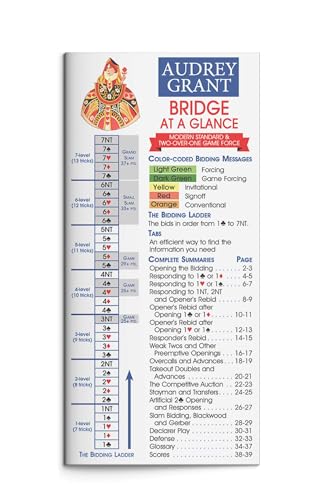
2. Bridge at a Glance
Best for: Bridge players comparing modern standards
“Bridge at a Glance: A Modern Standard” appears to be a bridge-related reference product, but the available listing provides very little detail. It does not state the format, page count, dimensions, materials, included examples, or intended skill level. That makes it difficult to tell if this is a book, quick-reference guide, rules summary, or another type of bridge aid. Buyers should confirm those basics before ordering.
The main advantage is its clear subject and modest price, around $12. The title suggests a focus on current bridge standards rather than a broad history or general card-game introduction, though the listing does not explain which standards it covers. That narrow positioning may appeal to players seeking a focused reference. Still, there is no verified information about content depth, update date, print quality, or portability. The product may fit a specific need, but shoppers will need more details to judge its value.
Pros
- Around $12 keeps the purchase cost relatively low.
- The title clearly identifies bridge as the subject.
- “Modern Standard” suggests a focused, current-reference purpose.
Cons
- The listing provides no size, page count, format, or material details.
- Buyers cannot confirm the covered rules, examples, update date, or intended skill level before purchase.
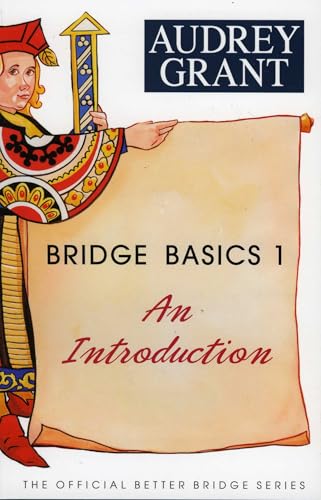
1. Bridge Basics 1: An Introduction
Best for: New bridge players learning fundamentals
Bridge Basics 1: An Introduction opens The Official Better Bridge Series with a beginner-focused guide to the card game. The title positions it as a starting point, not a reference for advanced bidding systems or tournament strategy. It may suit readers who want one book to begin with rather than a large collection of specialized lessons.
The first volume format gives the series a clear entry point. Readers can start with the basics before moving to later books in the set. At around $16, it sits within the price range of many introductory hobby books, though prices can change. The available product details do not list page count, illustrations, exercises, card diagrams, or other included materials. That missing information makes it difficult to judge how visual or practice-heavy the lessons are before buying. Buyers should also confirm the edition and seller listing, since contents and packaging can vary between listings.
Pros
- The introductory focus fits readers learning bridge from the beginning.
- Volume 1 gives the series a clear starting point.
- The official series label may help readers find related follow-up books.
Cons
- The listing does not provide a page count or details about lesson materials.
- Experienced players may find an introduction too basic for their needs.
Buying Guide
Choose a book that matches your current bridge skill level. A clear progression from bidding basics to play techniques prevents confusing explanations and wasted study time.
- Skill level: Beginners should choose an introduction covering hand evaluation, opening bids, and basic play in 150 to 250 pages. Experienced players may prefer advanced bidding systems or defensive card-play guides.
- Lesson structure: Look for 10 to 20 short chapters, practice deals, and answers. Chapters under 20 pages make regular study easier than dense, 400-page references.
- Notation and clarity: Confirm that the book explains symbols such as 1NT, 2♣, and doubles. Diagrams should show all four hands, not only written descriptions.
- Practice material: Choose a title with at least 30 sample deals or exercises. Answer keys should explain the reasoning, not simply list the winning bid or card.
- Edition and price: A current paperback usually costs $15 to $35. Check publication dates, especially for books covering bidding conventions, since older editions may use less common methods.
If you cannot have everything, prioritize a suitable skill level, because accurate explanations matter more than page count or extra exercises.
Frequently Asked Questions
What are the best bridge books for beginners?
The best bridge books for beginners explain bidding, card play, and scoring in plain language. Choose a guide with practice deals, diagrams, and short quizzes instead of dense theory. A useful starter book may cover the four-player format, basic contracts, and opening bids across roughly 150 to 250 pages.
How do I choose a bridge book for my skill level?
Choose a bridge book that matches your current knowledge and the next skill you want to learn. New players should seek step-by-step lessons, while experienced players may prefer books on defense, conventions, or duplicate play. Look for clear chapter labels, example hands, and at least 20 practice deals.
Can one bridge book teach bidding and card play?
One bridge book can teach both bidding and card play, but it may provide less depth in each subject than a focused guide. Check the contents page for opening bids, responses, declarer play, defense, and scoring. A broad introduction often works well for players who want one book first.
Are bridge strategy books useful for improving your game?
Bridge strategy books are useful when you already understand the rules and want to make better decisions. They can explain probability, communication between partners, defensive signals, and common mistakes. Select a title with sample hands and answers, such as 30 analyzed deals, so you can compare your reasoning.
Conclusion
Bridge Basics 1: An Introduction is the strongest pick for new players who want a clear path from card values and bidding to basic play. If your priority is a quick table reference rather than a first lesson, choose a compact bidding guide or convention manual that matches the system used by your bridge group. Before buying, double-check the book’s physical size, language and edition compatibility, whether you need one copy or a set, and the current price across several sellers. The right guide should suit your learning stage, table habits, and budget. A manageable starting point can make practice less frustrating and build confidence before you move to advanced strategy.