7 Best Book for Healing the Inner Child for Beginners
For most buyers, Reparenting the Inner Child: A Self-Help Book is the best book for healing the inner child because it turns difficult emotional work into clear, guided exercises. Its practical approach gives readers prompts for recognizing old patterns, understanding unmet needs, and responding with more self-compassion. That makes it a useful starting point for personal reflection.
This guide suits adults who want private, structured support without dense clinical language. For books on emotional healing, the key factors are readable writing, useful exercises, and a manageable length that encourages steady progress. A strong choice should also explain difficult ideas without making promises about instant change. The seven picks below are ranked by their approach, accessibility, and practical value, with clear reasons and honest drawbacks for each.
Quick Comparison
| # | Product | Best For | Price | |
|---|---|---|---|---|
| 1 | Reparenting the Inner Child: A Self-Help Book | Readers Starting Inner Child Healing | ~$14 | View → |
| 2 | Healing Your Wounded Inner Child: CBT Workbook | CBT Workbook Structure Seekers | ~$19 | View → |
| 3 | The Inner Child Workbook | Guided Self-Reflection Practitioners | ~$12 | View → |
| 4 | Healing Your Lost Inner Child: Practical Wisdom Book | Adults Processing Childhood Loss | ~$9 | View → |
| 5 | Alexander and the Terrible, Horrible, No Good, Very Bad Day | Children Facing Difficult Days | ~$6 | View → |
| 6 | Robert Jackman’s Healing Your Lost Inner Child Workbook | Hands-On Inner Child Exercises | ~$14 | View → |
| 7 | The Inner Work of Relationships: Relationship Guide | Couples Improving Emotional Connection | ~$22 | View → |
7 Books for Inner Child Healing
These seven titles are ranked by approach, readability, and practical exercises, counting down to the strongest overall pick.
7. The Inner Work of Relationships: Relationship Guide

Best for: Couples exploring emotional healing
The Inner Work of Relationships is a relationship book focused on personal healing within a partnership. Its central idea is clear from the title: unresolved childhood patterns can affect adult communication, trust, and closeness. The book invites both partners to examine those patterns together rather than treating conflict as one person’s fault.
That shared focus is the most useful part of the concept. Many relationship guides concentrate only on communication techniques, while this one points readers toward the emotional history behind repeated arguments or distance. It may suit couples who want reflective discussion, not just quick fixes. The book costs around $22, though prices can change. The available listing does not provide a page count, format, edition, or other physical details, so buyers should check those points before ordering.
Pros
- Focuses on the “inner child,” giving couples a specific way to discuss childhood wounds and adult relationship habits.
- Addresses healing as a shared process, which can support conversations between partners instead of placing all responsibility on one person.
- Offers a relationship-centered approach for readers who want emotional reflection alongside practical partnership work.
Cons
- The listing provides no page count, format, edition, or publication details, making it difficult to judge the physical product before purchase.
- The title does not confirm worksheets, exercises, or step-by-step guidance, so readers seeking structured activities may need another resource.
6. Robert Jackman’s Healing Your Lost Inner Child Workbook

Best for: Readers unpacking codependent patterns
Healing Your Lost Inner Child Companion Workbook is a guided self-help workbook focused on childhood wounds and codependent relationships. Its subject is narrower than a general journaling book, which may help readers who want prompts aimed at family dynamics, attachment patterns, and emotional habits.
The main draw is its practical format. Instead of offering only background on inner-child work, it presents inspired exercises for personal reflection and relationship awareness. The book is listed at around $14, though prices can change. No page count, format, dimensions, exercise count, or material details are provided, so buyers should check the current listing before ordering. Its focus may make it easier to choose than a broad personal-growth title, but the available information does not confirm how structured or extensive the activities are.
Pros
- Targets codependent relationships instead of covering self-help topics broadly.
- Uses exercises, giving readers prompts for active reflection rather than theory alone.
- Around $14, it offers a relatively low-cost way to explore inner-child work.
Cons
- The listing does not provide page count, format, size, or the number of exercises.
- It is not a replacement for counseling, especially for trauma or serious relationship distress.
5. Alexander and the Terrible, Horrible, No Good, Very Bad Day

Best for: read-alouds about everyday frustrations
Alexander and the Terrible, Horrible, No Good, Very Bad Day is a children’s picture book about one boy who feels everything is going wrong. Alexander wakes up with gum in his hair, finds himself in the middle seat, and keeps facing small disappointments. The story follows his complaints without treating his feelings as silly.
What stands out is the plain, repeatable language. Children can join in on the familiar refrain, while adults can use the story to talk about bad moods, sibling conflict, and problems that cannot be fixed right away. At around $6, it is a low-cost choice for a home bookshelf, classroom read-aloud, or small gift. The supplied listing gives no page count, edition details, paper type, or included extras, so buyers should check the seller’s version before ordering. Illustrations and layout can vary by edition. This is a storybook, not an activity book or behavior guide. Its value comes from recognition and humor, not a detailed lesson plan.
Pros
- Gives children familiar language for naming frustration.
- Works well for group read-alouds and bedtime reading.
- Around $6 makes replacement or gifting inexpensive.
Cons
- Edition details, including page count and format, are not specified.
- The repeated complaints may feel negative for children sensitive to tense moods.
4. Healing Your Lost Inner Child: Practical Wisdom Book
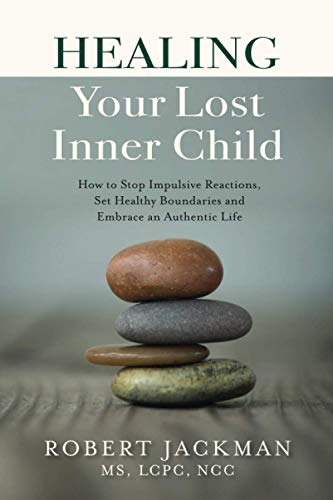
Best for: Readers working on emotional self-awareness
Healing Your Lost Inner Child is a self-help book in Robert Jackman’s Practical Wisdom Healing Series. It focuses on impulsive reactions, healthy boundaries, and living with greater authenticity. The subject fits readers who want a guided way to think about emotional patterns and relationship habits.
What stands out is the book’s practical focus. Instead of covering inner-child ideas alone, it connects them to everyday responses and personal limits. That makes the topic more usable for readers who want reflection prompts or behavior-focused guidance. At around $9, it offers a low-cost introduction to this area of personal growth, though prices can change.
Pros
- Focuses on impulsive reactions, giving readers a specific behavior to examine.
- Covers healthy boundaries, a useful topic for family, work, and romantic relationships.
- Links emotional healing with authentic living, creating a broader self-reflection framework.
Cons
- The available information does not list the format, page count, exercises, or other included materials, so buyers cannot judge the reading depth beforehand.
- This subject can bring up painful memories, and the book should not replace professional help for trauma, severe distress, or ongoing mental health concerns.
3. The Inner Child Workbook

Best for: Readers processing difficult childhood experiences
The Inner Child Workbook is a guided self-help book about painful memories, emotional patterns, and unresolved experiences from the past. Its focus is practical rather than purely explanatory. The workbook format gives readers a place to pause, reflect, and write instead of simply reading from cover to cover. At around $12, it is a low-cost choice for personal journaling or a starting point before seeking more structured support.
What genuinely stands out is its narrow focus. Many mental health books cover broad topics, while this one centers on the “inner child” and the ways early experiences may affect present reactions. That focus can help organize thoughts that otherwise feel scattered. Still, the available product details do not list the page count, number of exercises, dimensions, materials, edition, or level of professional guidance. Check the listing before ordering, since those details affect how substantial and usable the book feels.
Pros
- Workbook format supports active reflection, not passive reading.
- Focuses on childhood experiences and present emotional patterns.
- Around $12, it costs less than many guided programs.
Cons
- No page count or exercise total is provided.
- Self-guided prompts may not suit readers who need therapist support.
2. Healing Your Wounded Inner Child: CBT Workbook

Best for: Adults processing abandonment and trauma
Healing Your Wounded Inner Child is a CBT workbook focused on emotional pain from earlier life experiences. It addresses past trauma, abandonment fears, and emotional stability through a cognitive behavioral therapy framework. The format suggests an active approach, with prompts or exercises intended to help readers examine thoughts, feelings, and behavior patterns. At around $19, it costs less than many therapy sessions, though it cannot replace professional care.
Its strongest point is the focused subject matter. Many mental health books cover stress in broad terms, while this one centers on inner-child wounds and abandonment concerns. That focus may help readers who want language for recurring relationship fears or difficult emotional reactions. Still, the available product information does not list the page count, exercise count, binding, file type, or included resources. Buyers should check the retailer listing before purchase, especially if they expect a printed book, a digital copy, or guided worksheets. The CBT approach may feel practical, but readers seeking memoir, spiritual guidance, or open-ended reflection may prefer another format.
Pros
- Uses a CBT-based structure to examine difficult thoughts and reactions.
- Covers abandonment, a specific concern often tied to relationship anxiety.
- Focuses on emotional stability rather than only describing past pain.
Cons
- The listing provides no page count, format, exercise count, or material details.
- A workbook cannot assess trauma severity or provide support during a mental health crisis.
1. Reparenting the Inner Child: A Self-Help Book

Best for: Readers exploring childhood emotional patterns
Reparenting the Inner Child is a psychology and self-help book about how early experiences can shape adult emotions, relationships, and coping habits. Its subtitle points to two connected ideas: long-standing childhood wounds and newer research on ways people may work through them. The book is designed for reading and reflection, rather than as a workbook with a listed number of exercises or sessions.
What genuinely stands out is its narrow focus. Instead of offering broad life advice, it centers on the “inner child” concept and connects that idea with healing practices. Around $14, it costs less than many therapy sessions, though it cannot provide personal assessment or support. The available details do not list the page count, binding, edition, or included materials, so buyers should check the specific listing before ordering. Readers may find the subject useful for journaling or therapy discussions, but the emotional content may require a careful pace.
Pros
- Focuses specifically on childhood wounds and adult patterns.
- Connects inner-child work with newer psychological research.
- Around $14, making it a relatively low-cost self-help option.
Cons
- It cannot replace therapy, diagnosis, or crisis support.
- Page count, format, and included exercises are not specified.
Buying Guide
The most important factor is a trauma-informed approach, because inner-child work can bring up painful memories and strong emotions. Choose a guide that explains its limits and recommends professional support when needed.
- Author qualifications: Prefer an author with a clinical license, counseling background, or documented training in trauma therapy. Check the biography and references before buying.
- Safety guidance: Look for clear instructions to pause, ground yourself, or contact a professional. A useful book should include at least 2 grounding methods, such as paced breathing or naming five nearby objects.
- Practical exercises: Choose a title with 10 or more guided activities, including journaling prompts, visualization, or boundary practice. Sample pages can reveal whether the instructions feel manageable.
- Reading level and structure: A book with 150 to 300 pages and short chapters of 10 to 20 pages may feel easier to use regularly. An index or chapter summary also helps.
- Format and price: Compare paperback, ebook, and audiobook editions. A reasonable price range is $10 to $25 for print, while an audiobook may cost $15 to $30. Confirm that worksheets come with the edition you choose.
If you cannot have everything, prioritize trauma-informed guidance and clear safety instructions over extra exercises or a lower price.
Frequently Asked Questions
How do I choose a book for inner-child healing?
Choose a guide that matches your needs, uses clear exercises, and explains emotional safety without promising instant recovery. Look for sections on childhood patterns, self-compassion, boundaries, and journaling. A useful starting point is a book with 5 to 10 practical prompts, plus advice to pause when memories feel overwhelming.
What should I expect from a book about healing childhood wounds?
Expect a mix of personal reflection, explanations of childhood experiences, and guided activities rather than a quick cure. Many inner-child workbooks ask you to write about ages, memories, or unmet needs. Set aside 10 to 20 minutes per session, and skip exercises that cause intense distress without professional support.
Can books for inner-child work replace therapy?
Books can support self-reflection, but they should not replace therapy when trauma, self-harm thoughts, abuse, or severe anxiety are involved. A workbook may help you prepare questions for a licensed clinician and track patterns between appointments. If an exercise causes panic or dissociation, stop and seek qualified help promptly.
Are inner-child workbooks better than regular self-help books?
Workbooks are often better for readers who want structured practice, while regular self-help books may suit those who prefer explanations and stories. Compare the format before buying. A workbook might include 30 daily prompts, whereas a narrative guide may offer only a few reflection questions across several chapters.
Conclusion
Reparenting the Inner Child: A Self-Help Book is the strongest fit for readers who want a gentle, guided introduction to self-reparenting and emotional healing. If your priority is hands-on prompts rather than longer explanations, pick the workbook-style alternative instead, since regular exercises can make reflection easier to schedule. Before buying, double-check the edition’s size, format compatibility with your device, included quantity or volume, and current price, since listings can vary. A good choice should also match your reading style and emotional bandwidth. Some readers may prefer short chapters and direct prompts, while others want background on childhood patterns. Check the contents page before ordering, especially if you need a printed workbook rather than a standard paperback. These books can support reflection, but they are not a substitute for licensed mental-health care.