6 Best Books on Biblical Hermeneutics for Students
Among the best books on biblical hermeneutics, Biblical Hermeneutics: Bible Interpretation Book is the top pick for most buyers. Its main advantage is a focused introduction to reading and interpreting biblical passages without requiring a large reference library. The title suits readers who want one clear starting point rather than a shelf of specialized studies.
This guide is for students, pastors, small-group leaders, and curious readers building a sound study habit. For any hermeneutics text, the biggest factors are coverage, clarity, interpretive method, and how well it explains context, genre, and difficult passages. Page count also matters when you need a portable reference, while the author’s theological approach can shape how conclusions are presented. The six picks below are ranked with reasons and honest drawbacks for each, so you can choose a title that fits your reading goals.
Quick Comparison
| # | Product | Best For | Price | |
|---|---|---|---|---|
| 1 | Biblical Hermeneutics: Bible Interpretation Book | Serious Bible Interpretation Students | ~$5 | View → |
| 2 | Introduction to Biblical Hermeneutics | Hermeneutics Beginners Building Foundations | ~$27 | View → |
| 3 | Interpretation for Preaching and Teaching: Biblical Hermeneutics | Preachers Preparing Biblical Messages | ~$27 | View → |
| 4 | Principles of Biblical Hermeneutics | Readers Studying Interpretation Principles | ~$17 | View → |
| 5 | J. C. Ryle Sermons to Children Book | Parents Teaching Children Scripture | ~$0 | View → |
| 6 | The Smart Guide to the Bible: The Book of John | Small-Group Leaders Studying John | ~$10 | View → |
6 Top Biblical Hermeneutics Books
These six titles are ranked by clarity, depth, and practical value, counting down to the top pick for Bible study.
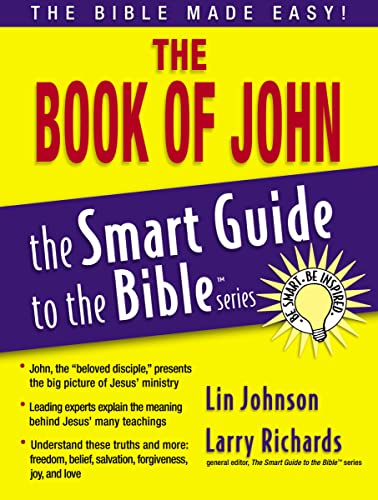
6. The Smart Guide to the Bible: The Book of John
Best for: readers seeking a guided look at John
The Book of John is a Bible study title from The Smart Guide to the Bible Series. It focuses on the Gospel of John rather than covering the entire Bible, making it a targeted choice for readers who want to spend time with one New Testament book. At around $10, it also fits a modest study-book budget.
The clearest strength is its focused subject. A dedicated guide can feel more manageable than a broad Bible reference, especially for personal reading or a small discussion group. Still, the available listing provides no page count, dimensions, binding details, illustrations, study questions, or other included materials. That missing information makes it hard to judge how substantial the book is or what kind of study support it offers before buying. Readers should check the seller’s full description if format and contents matter.
Pros
- Focuses on the Gospel of John instead of a much larger Bible topic.
- Part of the Smart Guide to the Bible Series, which may help readers find related titles.
- Around $10, keeping the initial cost relatively low.
Cons
- The listing does not provide page count, size, binding, or included study features.
- Readers wanting a complete Bible overview will need a broader reference book.
5. J. C. Ryle Sermons to Children Book

Best for: Parents seeking short Christian lessons
J. C. Ryle Sermons to Children: Seven Biblical Lessons for Children presents seven lessons based on the Bible. It appears suited to family reading, children’s ministry, or a short devotional routine. The sermon format may give adults useful material for discussion, prayer, and simple teaching. However, the available listing does not provide a page count, physical size, binding type, or material details.
The seven-lesson structure is the clearest benefit. It gives buyers a defined reading plan instead of an open-ended collection. Families could cover one lesson each week, while teachers might use the material across a seven-session class. The content comes from J. C. Ryle, a nineteenth-century Anglican bishop, so the language and teaching style may feel older than modern children’s books. The listed price is around $0, but prices can change, and the format is not clear from the available information. Buyers should confirm whether they are receiving a digital edition, a printed copy, or access through another service before purchasing.
Pros
- Seven lessons create a clear plan for family or classroom reading.
- Biblical subject matter supports Christian instruction and discussion.
- Sermon-based content may give adults talking points beyond simple stories.
Cons
- No page count, dimensions, binding, or file format is provided.
- Older sermon language may require explanation for younger children.
4. Principles of Biblical Hermeneutics

Best for: Readers studying biblical interpretation
Principles of Biblical Hermeneutics is a study resource focused on how readers interpret the Bible. Its title gives the subject clearly, which helps shoppers compare it with commentaries, devotional books, and broader theology texts. The listing does not provide an author, page count, format, edition, or table of contents, so buyers have limited information about the book’s scope.
The main advantage is its narrow focus. Readers looking for guidance on biblical interpretation can identify the topic without sorting through a general religious studies title. At around $17, it also sits within a modest book budget. Still, the missing specifications make it hard to judge its depth, reading level, or suitability for classroom work. Check the seller’s full listing before buying, especially if you need a paperback, ebook, workbook, or a particular edition.
Pros
- The title clearly identifies its focus on biblical hermeneutics.
- A focused subject may suit readers studying scriptural interpretation.
- The approximate $17 price keeps it accessible for budget-conscious buyers.
Cons
- The listing provides no author, page count, format, edition, or contents.
- Buyers cannot judge the book’s depth or study level from the available details.
3. Interpretation for Preaching and Teaching: Biblical Hermeneutics

Best for: Preachers studying biblical interpretation
Interpretation for Preaching and Teaching: An Introduction to Biblical Hermeneutics is an introductory book for readers who want to connect biblical interpretation with sermons, lessons, or other forms of teaching. Its subject is clear from the title, but no page count, format, edition, or material details are available. That makes it difficult to judge its physical size or how much content buyers will receive.
The strongest point is its focused purpose. Instead of presenting hermeneutics as a purely academic topic, the book is aimed at interpretation for practical preaching and teaching. That focus may suit pastors, ministry students, and church teachers who need a starting point for studying biblical passages. At around $27, it sits in a moderate price range for a specialized religious studies title, though prices can change. Buyers should review the seller’s listing for publication details before ordering.
Pros
- Directly addresses biblical hermeneutics, giving the book a specific study focus.
- Connects interpretation with preaching, which may help sermon and lesson preparation.
- Introductory framing can suit readers seeking a starting point rather than an advanced specialist text.
Cons
- No page count, format, edition, or binding information is provided, so buyers cannot judge the physical product in advance.
- Its narrow focus may not suit readers seeking a broad guide to general Bible study or wider teaching methods.
2. Introduction to Biblical Hermeneutics

Best for: Students beginning biblical interpretation
Introduction to Biblical Hermeneutics: The Search for Meaning is a book-length guide to interpreting the Bible. Its title points to a focused subject, biblical hermeneutics, rather than general religious study or daily devotional reading. At around $27, it fits the price range of many introductory study books, though the final cost can change by seller, edition, and format.
The clearest strength is its defined purpose. Readers looking for help with meaning, context, and interpretation can quickly see why this book may fit their needs. The wording also suggests a starting point for students who need an introduction before tackling more specialized works. Still, the available product information lists no page count, binding, edition, author details, or included study materials. That missing information makes it difficult to judge the book’s depth, layout, or value against similar titles. Check the seller’s listing carefully before buying, especially if you need a paperback, ebook, or particular edition.
Pros
- Clearly focuses on biblical hermeneutics, making its subject easy to identify.
- An introductory approach may suit readers starting formal Bible interpretation.
- Its emphasis on the search for meaning points toward interpretive study rather than casual reading.
Cons
- No page count, format, edition, or material details are provided.
- The listing does not explain its method, reading level, or supporting resources, so advanced students may find the scope hard to judge.
1. Biblical Hermeneutics: Bible Interpretation Book

Best for: Readers studying Bible interpretation
Biblical Hermeneutics: The Pathway to Bible Interpretation is a compact, low-cost resource for readers who want guidance on interpreting Scripture. Its title points to a focused subject rather than a broad Bible study guide. That makes it easier to identify the book’s intended purpose before buying. At around $5, it may suit students, church study groups, or curious readers working with a limited budget.
The main strength is its clear focus on hermeneutics, the methods used to understand biblical texts. However, the available product information does not list the page count, format, author, edition, or included materials. Those missing details matter. A buyer cannot tell if this is a short introduction, a classroom text, or a more detailed reference work. The low price lowers the risk, but it does not reveal the book’s depth or reading level. Readers seeking a specific translation, study questions, diagrams, or citations should confirm those details before ordering.
Pros
- Focuses specifically on biblical hermeneutics and Scripture interpretation.
- The title clearly communicates the book’s subject and purpose.
- Around $5 makes it an inexpensive option for basic study.
Cons
- No page count, format, author, or edition is provided.
- The available details do not show whether it includes examples, exercises, or scholarly references.
Buying Guide
The most important factor is fit with your interpretive tradition and study goals. A seminary textbook, a devotional guide, and an academic commentary teach interpretation in very different ways.
- Audience level: Choose an introductory title with 200–350 pages if you are new to the subject. Advanced readers may prefer 400-plus pages with technical vocabulary and footnotes.
- Interpretive approach: Confirm whether the author uses historical-grammatical, literary, canonical, or theological methods. A balanced starter set might include two different approaches.
- Practical exercises: Look for at least 5–10 worked examples from different genres, such as narrative, poetry, prophecy, Gospel passages, and epistles. Exercises help turn concepts into repeatable study habits.
- Author credentials: Check the author’s teaching background, published research, and denominational perspective. A PhD can signal academic training, but clear explanations matter more for first-time readers.
- Edition and cost: Compare editions before buying. A current paperback often costs $15–$35, while a scholarly hardcover may exceed $50. Check publication dates, since newer editions may update references and discussion questions.
If you cannot have everything, prioritize a clear method that matches your tradition and current reading level.
Frequently Asked Questions
How do I choose the right book on biblical hermeneutics?
Choose a hermeneutics book that matches your training, tradition, and study goal. A beginner may need clear explanations of context, genre, and historical setting, while a seminary student may prefer technical discussions of original languages and interpretive methods. Compare introductory guides of roughly 200 to 300 pages with advanced reference works exceeding 500 pages.
What should a biblical interpretation guide cover?
A strong biblical interpretation guide should cover context, literary genre, authorship, audience, and the relationship between passages. Look for chapters on poetry, prophecy, narrative, and epistles, plus examples explaining why Psalm 23 should not be read like Romans. A useful volume also identifies common errors, such as taking figurative language literally.
Can one book explain every major approach to biblical interpretation?
One book can provide a solid foundation, but no single hermeneutics title covers every tradition, method, or biblical genre. A practical reading list often includes one introductory textbook, one work on historical context, and one commentary-based guide. That three-book mix gives readers core principles and applied examples without requiring a large library.
Are older books on biblical hermeneutics still useful?
Older books on biblical hermeneutics can still be valuable, but readers should pair them with newer scholarship and current discussions. A classic from the 20th century may explain foundational principles well, yet it might use outdated views of archaeology, authorship, or social history. Check publication dates and favor editions with updated bibliographies, especially for books more than 25 years old.
Conclusion
Biblical Hermeneutics: Bible Interpretation Book is the top pick for readers who want a clear introduction to interpreting Scripture without starting with a dense academic textbook. If your priority is broader scholarly coverage, choose the more comprehensive alternative in the guide instead, since it may discuss historical context, literary forms, and interpretive debates in greater depth. Before buying, double-check the book’s size and format, compatibility with your reading device, quantity in bundles or used listings, and current price, since listings can change. Consider your reading level, study goals, and available time, too. A shorter guide may suit personal study, while a larger reference can support classes, sermons, and repeated consultation.