6 Best Book on Emdr for Beginners
For most buyers, EMDR as You Are: Moving from Protocol to Presence is the best book on emdr because it connects EMDR’s structured protocol with the therapist’s attention, judgment, and presence. Rather than presenting the method as a rigid checklist, it frames treatment as a guided clinical relationship.
This guide suits EMDR clinicians, trainees, and mental-health professionals who want a more thoughtful view of sessions. For books in this category, check the edition, page count, and format, then look for clear explanations, case examples, and practical exercises. Those details affect how useful a title feels during training or later reference. The six picks below are ranked by their strengths, with clear reasons and honest drawbacks for each, so you can choose the guide that fits your experience and learning goals.
Quick Comparison
| # | Product | Best For | Price | |
|---|---|---|---|---|
| 1 | EMDR as You Are: Moving from Protocol to Presence Book | EMDR practitioners seeking flexible guidance | ~$25 | View → |
| 2 | Dr. Seuss Beginner Book Boxed Set | Families building first-reader libraries | ~$26 | View → |
| 3 | The New Real Book, Songbook | Jazz players needing standard repertoire | ~$47 | View → |
| 4 | Are You Mad at Me?: A Book on Living for Yourself | Readers rebuilding personal boundaries | ~$20 | View → |
| 5 | Dr. Seuss What Was I Scared Of? Interactive Sound Book | Preschoolers enjoying spooky sound stories | ~$19 | View → |
| 6 | The Eb Real Book, 6th Edition | Jazz pianists playing in E-flat | ~$39 | View → |
6 Top EMDR Books for Clearer Learning
This list is ranked from sixth place down to the top pick, with practical guides and clinician-focused references included.
6. The Eb Real Book, 6th Edition

Best for: Jazz musicians needing E-flat charts
The Eb Real Book, Sixth Edition is a lead-sheet collection for musicians who read in E-flat. It presents melodies, chord symbols, and song forms in a transposed format, which can save time for players using E-flat instruments. This edition fits jazz practice, rehearsal, lessons, and small-group performances. At around $39, it costs less than many new music books, though prices vary by seller.
The main appeal is practical access to familiar jazz material in the correct key for E-flat players. You do not need to transpose every chart from a concert-pitch book before rehearsing. The sixth-edition label also helps buyers identify this specific revision instead of an older version. This listing describes the copy as used and in good condition, so it may show light shelf wear or previous handling. That condition keeps the price reasonable, but buyers should review the seller’s photos and return policy before ordering.
Pros
- E-flat transposition reduces manual key changes during practice.
- Lead-sheet format keeps melodies and chord symbols easy to reference.
- Around $39 offers a lower-cost option than many new music books.
Cons
- The E-flat format is not the right choice for concert-pitch or B-flat players.
- As a used book, the copy may include wear, writing, or page damage.
5. Dr. Seuss What Was I Scared Of? Interactive Sound Book

Best for: Preschoolers who enjoy sound effects
This interactive board book pairs Dr. Seuss’s What Was I Scared Of? with 12 push-button sounds. Children can follow the story, then press the sound panels during reading. The format gives young listeners a more active role than a standard picture book. It also works well for shared reading, since an adult can handle the pages while a child chooses the sounds.
The main draw is the mix of a familiar rhyming story and simple audio interaction. The book costs around $19, though prices can change. Its board-book format should suit small hands and repeated use, but the available details do not list the book’s dimensions, sound duration, battery type, or materials. That missing information makes it harder to judge storage needs and long-term upkeep before buying. Families should also expect a book that makes noise, not a quiet bedtime read.
Pros
- Twelve sound buttons give children a clear activity during the story.
- The board-book format is suited to repeated handling by young readers.
- Rhyming text and sound effects can support shared reading and listening.
Cons
- The 12 audio effects may distract children who prefer calm, uninterrupted stories.
- Product details do not specify battery requirements, dimensions, or sound length.
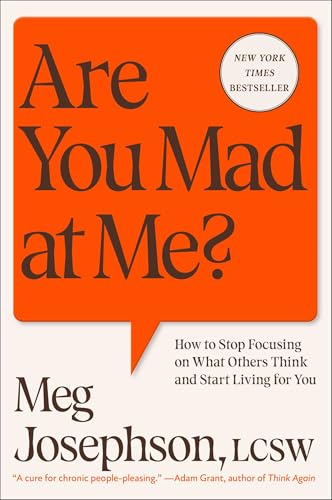
4. Are You Mad at Me?: A Book on Living for Yourself
Best for: Readers managing people-pleasing habits
Are You Mad at Me? is a self-help book about the habit of guessing what other people think. Its central question points to a familiar pattern: reading a short text as anger, replaying a conversation, or changing your choices to avoid disapproval. The book aims to move attention back toward your own needs and decisions.
What stands out is its narrow focus. Instead of covering every area of mental health, it centers on people-pleasing, approval seeking, and fear of conflict. That makes it a practical pick for readers who want one clear topic rather than a broad personal-growth guide. At around $20, it costs about the same as many self-help titles, but the value depends on how specific and usable its exercises feel. Available product details do not list the format, page count, workbook content, or included extras, so check the retailer listing before ordering.
Pros
- Directly addresses worries about other people’s opinions.
- Encourages readers to make choices based on personal needs.
- Focuses on people-pleasing instead of covering too many topics.
Cons
- The listing does not confirm page count, format, or exercise content.
- Readers seeking clinical treatment may need more support than a self-help book provides.
3. The New Real Book, Songbook

Best for: Jazz players building a working chart library
The New Real Book is a printed collection of jazz charts, designed for musicians who need a practical reference for rehearsal, practice, or casual playing. Its format focuses on written music rather than audio lessons, so it fits players who already read chord symbols and standard notation. This listing is for a used copy in good condition, with an approximate price around $47.
The main appeal is its usefulness as a physical music resource. A book can stay open on a stand, travel to rehearsals, and remain available without batteries, downloads, or an internet connection. The used condition may also make this edition more affordable than a new copy. Still, buyers should check the seller’s photos and description before ordering. “Good condition” usually allows some shelf wear, page marks, or other signs of previous ownership. The listing also does not specify the volume, edition, or exact contents, so confirm those details if you need particular charts.
Pros
- Printed charts provide an offline reference for practice and rehearsals.
- A physical book is easy to place on a music stand.
- Used, good-condition copies can cost less than new editions.
Cons
- Previous use may mean worn covers, annotations, or marked pages.
- The listing does not identify the volume or edition, which could lead to buying the wrong contents.
2. Dr. Seuss Beginner Book Boxed Set

Best for: Building a first home library
This five-book Dr. Seuss collection gathers The Cat in the Hat, One Fish Two Fish Red Fish Blue Fish, Green Eggs and Ham, Hop on Pop, and Fox in Socks. It gives children a mix of rhyming stories, playful word patterns, and familiar characters in one boxed set. The books work well for shared bedtime reading, yet older children can also revisit them alone as their skills grow.
The main appeal is variety without a large price tag. Around $26, the set costs roughly $5 per book, though prices can change. These stories suit reading aloud because their rhythm invites children to join in, repeat lines, and guess what comes next. They also make practical gifts for new parents, birthdays, and other family celebrations. The collection can introduce classic early readers while giving parents five dependable choices for story time. Still, buyers should expect classic Seuss-style language and illustrations rather than newer educational formats or interactive extras.
Pros
- Includes five well-known beginner books, giving families several stories in one purchase.
- Supports both adult-led reading and independent practice as children gain confidence.
- Around $26, it offers a simple gift option for baby showers, birthdays, and new parents.
Cons
- The set focuses on five specific titles, so children who already own one or more books may receive duplicates.
- Some wording and humor reflect older books, which may not match every family’s reading preferences.
1. EMDR as You Are: Moving from Protocol to Presence Book

Best for: EMDR clinicians exploring flexible practice
This book brings together 12 experts to discuss EMDR beyond a strictly protocol-led approach. Its central focus is the shift from following set steps toward staying attentive to the client’s presence, responses, and needs. At around $25, it costs about the same as many professional reference books, though the final price can change.
The strongest feature is the range of voices. Readers get 12 perspectives instead of a single author’s framework, which may help clinicians compare ideas and question habits in their own work. The title also makes the book’s intended audience clear. It is aimed at people who already know EMDR and want to think more deeply about clinical presence. However, the available product details do not list the page count, format, chapter breakdown, or supplementary materials. Buyers should not assume it includes worksheets, videos, or a complete training course.
Pros
- Brings together 12 expert perspectives in one volume.
- Focuses on the relationship between EMDR protocol and therapist presence.
- Offers a compact way to explore different clinical viewpoints for around $25.
Cons
- The listing provides no page count, format, or information about included resources.
- It may not suit readers seeking step-by-step EMDR training, worksheets, or basic instruction.
Buying Guide
The most important factor is the author’s clinical qualification and connection to EMDR research. A guide written by a licensed clinician, certified trainer, or recognized researcher is more dependable than one based mainly on personal opinion.
- Author credentials: Look for a licensed mental health professional, EMDR trainer, or researcher with at least 5 years of relevant clinical experience listed in the biography.
- Reader fit: Choose a clinician’s manual for treatment protocols, or a client-focused book for general education. A technical text may exceed 300 pages and assume professional training.
- Evidence and scope: Favor books that cite peer-reviewed studies, explain all 8 EMDR phases, and discuss limits, risks, and conditions that may need other care.
- Practical tools: Therapists may benefit from scripts, case examples, worksheets, and session plans. A useful training book should include at least 3 complete case examples or reproducible forms.
- Edition and access: Select the newest edition you can find, especially if it includes updated research. A paperback often costs $20 to $45, while professional manuals may cost $50 to $100.
If you cannot have everything, prioritize author credentials and evidence quality over page count, extras, or the lowest price.
Frequently Asked Questions
What is the best EMDR book for someone new to the method?
The best EMDR book for a newcomer is a clear guide that explains the eight phases, core terms, and limits of self-help. Choose one with diagrams, case examples, and a glossary. A practical starting point should also explain why trained clinicians use preparation before bilateral stimulation, rather than presenting the method as a quick exercise.
How do you choose an EMDR book for professional training?
Choose a text written by a qualified clinician or researcher, with citations, structured protocols, and clear guidance on supervision. Compare the table of contents before buying, and check that it covers all eight phases instead of focusing only on eye movements or scripted prompts.
Can EMDR books replace therapy?
No, books about EMDR cannot replace assessment, guided treatment, or support from a licensed mental health professional. They can explain the model and help clients prepare questions for an appointment. For example, a reader may learn the eight phases, but should not process traumatic memories alone from a workbook.
Are older EMDR books still useful?
Yes, foundational titles can explain the therapy’s original framework, but readers should pair them with newer clinical guidance and current safety information. Check the publication date, edition, and references before buying. A text more than 10 years old may lack updates on research, training standards, or adaptations.
Conclusion
EMDR as You Are: Moving from Protocol to Presence Book is the top recommendation for readers who want a reflective guide to EMDR concepts and personal healing work. If your priority is step-by-step clinical instruction, choose a practitioner-focused manual instead, since it will better match training, session planning, and treatment-reference needs. Before buying, double-check the book’s format and page size, compatibility with your reading device if it is an ebook, whether you need one copy or several, and the current price across retailers. A thoughtful guide can support preparation and discussion, but it should not replace care from a qualified mental health professional. Choose the title that fits your purpose, experience level, and budget.